THE PALLAVAS OF KANCHI
THE PALLAVAS OF KANCHI INTRODUCTION The Pallava dynasty emerged as one of the most significant powers in South India, ruling
Read MoreSIMPLIFY-STUDY-SUCCEED
THE PALLAVAS OF KANCHI INTRODUCTION The Pallava dynasty emerged as one of the most significant powers in South India, ruling
Read MoreTHE CHALUKYAS OF LATA Introduction and Background Overview of the Dynasty The Chalukyas of Lata were an Indian dynasty that
Read MoreTHE MAUKHARIES OR VARMANA DYNASTY: Introduction and Origin The Maukhari dynasty was a post-Gupta royal dynasty that ruled vast areas of Northern
Read MoreEastern Chalukyas of Vengi Introduction The Eastern Chalukyas, also known as the Chalukyas of Vengi, were a prominent South Indian dynasty that
Read MoreAnglo-French Rivalry: The Three Carnatic Wars Introduction The Anglo-French rivalry in India during the 18th century marked a crucial turning
Read MoreIron Age in South India: Key Takeaway The Iron Age in South India (c. 1200 BCE–300 BCE) marks a transformative
Read More
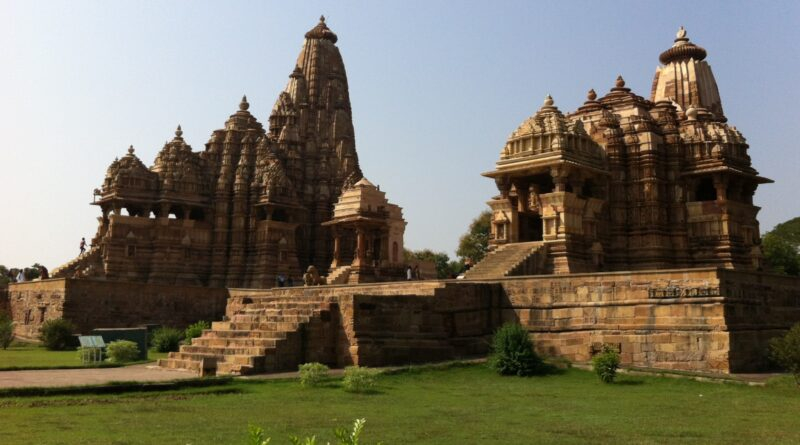
Khajuraho Temples and Monuments: History, Architecture, Sculpture, and Recent Judicial Verdict Key Takeaway: The Khajuraho Group of Monuments represents the apex
Read MoreThe Western Chalukyas of Badami Introduction The Western Chalukyas of Badami, also known as the Early Chalukyas or Badami Chalukyas,
Read MoreIndus Valley Civilization Geographical Extension Largest Ancient Civilization: Covered approximately 1.25 million square kilometers, making it the most extensive of
Read More