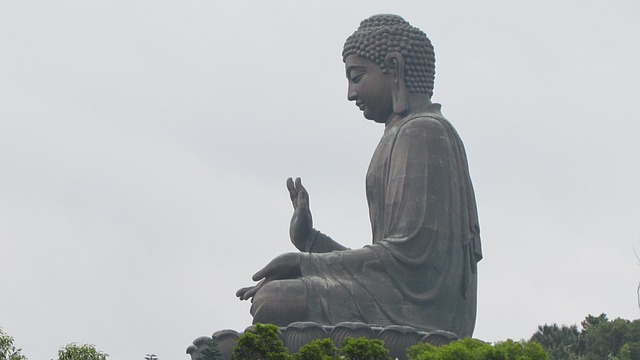
Buddhism
Contents
Buddhism:
1. Core Philosophy of Buddhism
Buddhism revolves around understanding suffering and the path to liberation. Its foundational principles include:
The Four Noble Truths
Dukkha (Suffering exists)
Samudaya (Origin of suffering: craving and ignorance)
Nirodha (Cessation of suffering: Nirvana)
Magga (Path leading to cessation: the Noble Eightfold Path)
The Noble Eightfold Path
Right View
Right Intention
Right Speech
Right Action
Right Livelihood
Right Effort
Right Mindfulness
Right Concentration
Three Universal Characteristics
Impermanence (Anicca)
Suffering or unsatisfactoriness (Dukkha)
Non-self (Anatta)
Three Jewels (Refuges)
The Buddha (the awakened teacher)
The Dharma (teachings)
The Sangha (monastic community)
2. Emergence of Buddhism in India
Historical Context:
6th–5th century BCE in the Gangetic plains, during a period of social ferment and questioning of Vedic orthodoxy.
Founder:
Siddhartha Gautama (the Buddha), born in Lumbini (modern-day Nepal), attained enlightenment under the Bodhi tree at Bodh Gaya.
Early Sangha:
Formation of monastic order of monks (bhikkhus) and nuns (bhikkhunis) who followed the Vinaya (monastic code).
Patronage and Royal Support:
Early support from regional rulers such as King Bimbisara of Magadha and King Ajatashatru, facilitating establishment of monasteries.
3. Spread of Buddhism
Within India:
Spread through missionary activities of the Sangha to major urban centers like Taxila, Varanasi, and Nalanda.
Outside India:
Sri Lanka: Mission led by Mahinda (son of Emperor Ashoka) in 3rd century BCE.
Central Asia & East Asia: Through Silk Road contacts; translation of texts into Chinese beginning 1st century CE.
Southeast Asia: Theravāda transmission via Sri Lankan monks to Myanmar, Thailand, Cambodia, and Laos.
Tibet & Himalayas: Tantric Buddhism transmitted from India around 7th–8th century CE.
4. Buddhist Councils
| Council | Date/Location | Purpose | Key Outcomes |
|---|---|---|---|
| First Council | c. 400 BCE, Rājagṛha | Recitation and codification of Buddha’s teachings | Compilation of Sutta Pitaka and Vinaya Pitaka |
| Second Council | c. 386 BCE, Vaiśālī | Addressing Vinaya disputes (Ten Points of Dispute) | Reaffirmation of monastic discipline |
| Third Council | c. 250 BCE, Pāṭaliputra | Purification of the Sangha under Ashoka’s patronage | Establishment of Mahā-Śramaṇa schools; sending missionaries abroad |
| Fourth Council | c. 100–200 CE, Kashmir (Theravāda tradition) / Sri Lanka (Theravāda tradition) | Compilation and revision of texts | Sinhala Tipiṭaka recension (Sri Lanka); expansion of Mahāyāna canon (Kashmir) |
| Later Councils | Various, especially in Tibet and China | Ratification of local canons and lineage transmissions | Formation of regional Buddhist canons |
5. Philosophers and Writers in Buddhism
| Philosopher/Writer | Period | School | Major Works / Contributions |
|---|---|---|---|
| Nāgārjuna | 2nd–3rd century CE | Mādhyamaka | Mūlamadhyamakakārikā (Fundamental Verses on the Middle Way) |
| Asaṅga | 4th century CE | Yogācāra | Mahāyānasaṃgraha, Abhidharma-samuccaya |
| Vasubandhu | 4th–5th century CE | Yogācāra | Abhidharmakośa, Twenty Verses |
| Dignāga | 5th–6th century CE | Buddhist logic | Pramāṇasamuccaya (On Valid Cognition) |
| Dharmakīrti | 7th century CE | Buddhist logic | Pramāṇavārttika (Commentary on Valid Cognition) |
| Buddhaghosa | 5th century CE | Theravāda | Visuddhimagga (Path of Purification) |
| Vasubandhu’s Gode | 8th century CE | Kashmiri Shaivism | Integration of Buddhist and Shaiva philosophies |
| Tsongkhapa | 14th century CE | Gelug (Tibetan) | Lamrim Chenmo (Great Treatise on the Stages of the Path) |
| Nichiren | 13th century CE | Nichiren Buddhism | Risshō Ankoku Ron, emphasis on Lotus Sūtra |
6. Major Branches of Buddhism and Their Philosophies
6.1 Theravāda (“Doctrine of the Elders”)
Geographical Strongholds: Sri Lanka, Myanmar, Thailand, Laos, Cambodia
Scriptures: Pāli Canon (Tipiṭaka)
Philosophy: Emphasis on original teachings, monastic discipline, and individual liberation (Arahatship). Practice centers on Vipassanā (insight) and Sīla (moral conduct).
6.2 Mahāyāna (“Great Vehicle”)
Geographical Strongholds: China, Japan, Korea, Vietnam
Scriptures: Mahāyāna sūtras (e.g., Lotus Sūtra, Prajñāpāramitā Sūtras)
Philosophy:
Bodhisattva ideal: postponing full Nirvana to aid all beings.
Emphasis on universal compassion (karuṇā) and wisdom (prajñā).
Doctrines of Emptiness (Śūnyatā, Nāgārjuna’s Mādhyamaka) and Consciousness-only (Yogācāra).
6.3 Vajrayāna (“Diamond Vehicle” or Tantric Buddhism)
Geographical Strongholds: Tibet, Bhutan, Nepal, Mongolia
Scriptures: Tantras (e.g., Guhyasamāja, Hevajra, Kalachakra)
Philosophy:
Utilizes esoteric practices: mantras, mudrā (ritual gestures), mandalas, deity yoga.
Swift path to enlightenment through transformation of ordinary experiences.
Emphasis on guru devotion and lineage empowerment.
6.4 East Asian Schools (Distinct Mahāyāna Traditions)
Zen (Chan)
Philosophy: Direct, non-conceptual realization of one’s true nature through meditation (zazen) and koan practice.
Pure Land
Philosophy: Devotional faith in Amitābha Buddha’s vow to deliver practitioners to a Pure Land for easier attainment of enlightenment.
Tiantai (Tendai)
Philosophy: Integration of all Buddhist teachings centered on the Lotus Sūtra; doctrine of “One Vehicle” (Ekayāna).
Nichiren
Philosophy: Chanting Nam-myoho-renge-kyo (Lotus Sūtra) as the supreme practice for personal and societal transformation.
Main Takeaway: Buddhism’s profound philosophy addresses universal suffering through a structured path to liberation. Originating in India, it diversified through councils, scholarly expositions, and missionary activities into Theravāda, Mahāyāna, and Vajrayāna streams—each articulating unique methods yet united in the pursuit of awakening.

Read More: Ancient India Notes
Discover more from Simplified UPSC
Subscribe to get the latest posts sent to your email.
